Key takeaways
- The number of piers or supports is usually the biggest single factor.
- Slab and pier and beam repairs are priced differently because the work is different.
- Tight access, interior piers and deep piers add labor.
- Plumbing tests, drainage, permits, engineering and cosmetic patching may or may not be in the estimate.
- Compare estimates line by line, including warranty terms.
Ask three Shreveport homeowners what their foundation repair cost and you might hear three very different answers, and all three could be fair prices. A corner lift on a small slab home and a full re-level of a big raised house in Highland aren’t the same job. Knowing what moves the number makes a written estimate much easier to read when it shows up.
Piers do most of the work, and most of the cost
On a slab, the main question is how many piers the house needs and where. Each pier is its own dig, its own install and its own lift point. A repair along one side of the house might need a handful. A house that has dropped on two or three sides could need many more. The company decides this from the elevation readings, which is why nobody can price it before they’ve measured.
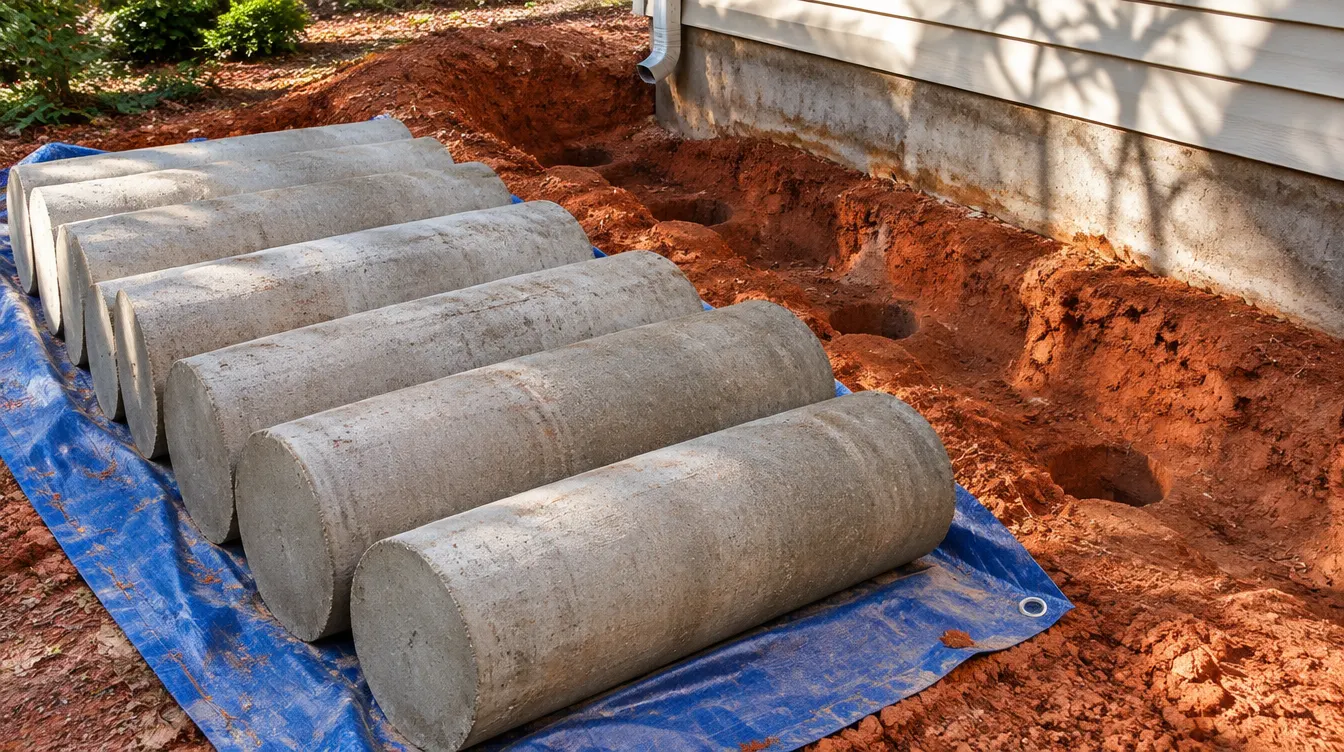
Pier type adds to it. Pressed concrete piers, steel push piers, helical piers and drilled concrete piers all cost different amounts to buy and install, and some need heavier equipment. The slab foundation repair page explains each type.
Slab or raised
Pier and beam repairs are priced around different tasks. Re-shimming beams on an existing set of piers is a lighter job than replacing piers, and replacing rotted sills or beams adds carpentry. Crawl space moisture work, if the company recommends it, is usually a separate line item.
Access changes the labor
A slab with open ground along the low side is the easy case. Patios, driveways, porches and landscaping in the way mean breaking and patching concrete or digging around plants. Interior piers mean pulling up flooring. On a raised house, a crawl space with only a foot or so of clearance slows the crew down.
The extras around the repair
These are where estimates differ most, so check whether each is included:
- A plumbing pressure test on slab drain lines
- Plumbing repairs if a leak turns up
- Drainage correction, gutters or regrading
- An engineer’s report
- Permits
- Patching flooring, drywall or brick afterward
- Haul-off of dirt and broken concrete
Comparing estimates
Line them up and check the pier count and locations, the pier type and depth claims, what happens if a pier doesn’t reach the expected depth, the warranty length and whether it transfers to a buyer, and the payment schedule. A diagram of where each pier goes makes comparison a lot easier, so ask for one.
When you’re ready for an actual number, request a free estimate.
Frequently asked questions
Can I get a price over the phone?
Not a real one. Without measuring the house, a company can't know how many piers it needs or where. Expect a phone call to lead to an inspection, then a written number.
Why do two estimates for the same house differ so much?
They may propose different pier counts, different pier types, or one may include drainage, a plumbing test or interior work while the other doesn't. Ask each company to walk you through their plan.
Is the cheapest estimate a bad sign?
Not necessarily. But check that it covers the same areas of the house and the same warranty. Fewer piers can mean a smaller repair, or a repair that misses a problem area.
Does homeowners insurance pay for foundation repair?
Policies usually exclude settling and soil movement, though some cover damage from a sudden event like a plumbing leak. Read your policy or call your agent.